Congrats on being referred to CourseCareers! Find your next career path now with no upfront cost.

100% Scholarships Available. Open to Everyone.
Learn More

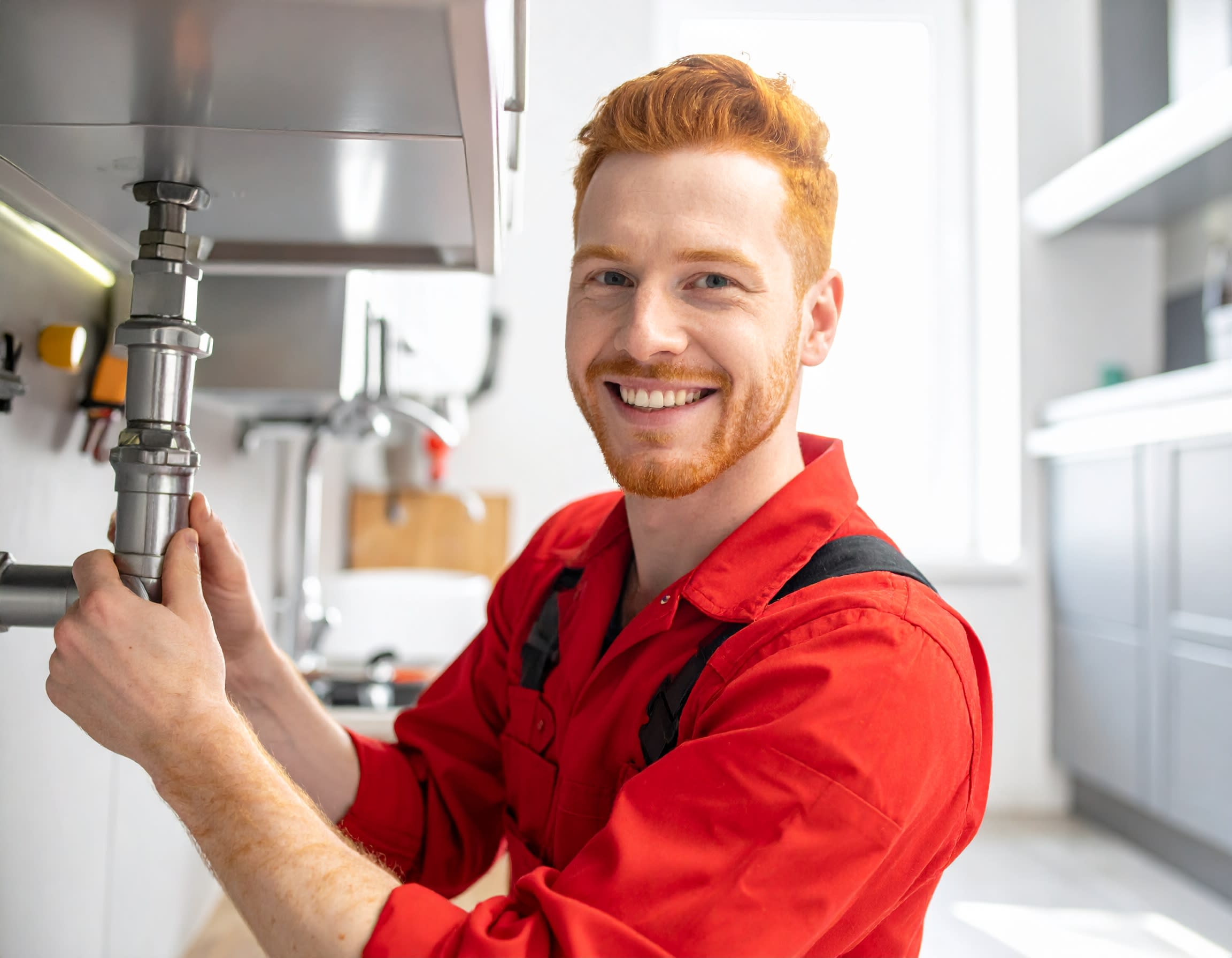


Walk onto any job site as a new apprentice and you'll see more tools than you can name, each one designed to solve a specific problem faster or more precisely than your hands alone could manage. The difference between apprentices who learn quickly and those who struggle often comes down to tool literacy, which means understanding what each tool does, why it exists, and when reaching for the wrong one wastes everyone's time. This guide covers ten foundational tools you'll encounter in your first weeks on the job, focusing on what beginners actually use them for and why that matters when you're trying to prove you're worth training. These aren't exotic specialty items or expensive power equipment. They're the everyday hand tools that separate someone who can follow instructions from someone the crew has to babysit.
You measure things constantly in plumbing, from the distance between studs to the exact length of pipe needed for a run, and a tape measure gives you accurate numbers instead of guesses that cost money when you cut wrong. Beginners use tape measures to verify rough-in dimensions before installing fixtures, measure pipe lengths before cutting, and check clearances in tight spaces where fixtures or appliances need to fit. One bad measurement can mean cutting a pipe too short, ordering the wrong size fitting, or discovering mid-installation that a water heater won't actually fit where the plan says it should. When an experienced plumber asks you for a measurement, they expect a number they can trust without double-checking your work.
Pipe wrenches grip and turn threaded pipes and fittings using serrated jaws that bite into metal, giving you the leverage needed to tighten or loosen connections that hand-strength alone can't budge. Beginners use pipe wrenches on galvanized steel, black iron, and brass fittings during installations or when breaking apart old connections during service calls. Knowing how much force to apply matters because over-tightening cracks fittings or strips threads, while under-tightening leaves connections that leak and require callbacks. The direction you turn the wrench matters too, since threading has a direction, and fighting against it instead of working with it just rounds off the fitting and creates a mess someone else has to fix.
Hacksaws cut through metal and plastic pipes using a fine-toothed blade and steady back-and-forth motion, giving you control in situations where power tools won't fit or aren't worth setting up for a single small cut. Beginners use hacksaws to cut copper, PVC, CPVC, and steel pipes to length when working in cramped spaces or making quick adjustments during installations. A straight, clean cut matters because jagged edges prevent fittings from seating properly, crooked cuts throw off alignment down the line, and rough edges damage gaskets or O-rings that seal connections. Taking an extra 30 seconds to cut straight saves 15 minutes of frustration when the joint leaks during the pressure test.
Tubing cutters slice through copper and plastic tubing by rotating a sharp cutting wheel around the pipe, creating square cuts without the jagged edges or deformed ends that hacksaws sometimes leave behind. Beginners use tubing cutters on water supply lines, refrigerant lines for water heaters, and PEX tubing where clean cuts directly impact whether fittings seal correctly. Square cuts ensure solder flows evenly into joints instead of pooling in gaps, crimp fittings compress uniformly without leaking, and compression fittings seat flush against the pipe without wobbling loose over time. Inspectors notice cut quality because it signals whether you understand that sloppy prep work shows up later as callbacks.
Plungers clear simple drain blockages by creating alternating suction and pressure that dislodges clogs without requiring you to disassemble traps or run cables through pipes. Beginners use plungers on sinks, tubs, and toilets when customers report slow drains or backups, solving problems in minutes that would otherwise require more invasive and time-consuming methods. Knowing when a plunger will actually work versus when you need a snake or need to pull the trap saves you from spending 20 minutes fighting a clog that wasn't going to budge with suction alone. It also prevents damage from over-plunging, which can force clogs deeper into the system or crack old wax seals on toilets that then leak onto floors.
Adjustable wrenches adapt to different sizes of nuts and bolts using a movable jaw, making them the go-to tool for tightening compression fittings, holding supply line nuts steady, and assembling fixture hardware without carrying 15 different fixed-size wrenches. Beginners use adjustable wrenches constantly during fixture installations, connecting supply lines under sinks, and securing mounting hardware that holds toilets, faucets, and appliances in place. Choosing the right jaw opening and applying steady pressure prevents rounded bolt heads that become impossible to turn, stripped threads that require replacing the entire fitting, and loose connections that vibrate apart or weep water over time. The wrench needs to fit snugly, not loosely, because loose tools slip and damage fasteners while making you look like you don't know what you're doing.
Levels tell you whether pipes, fixtures, and mounting surfaces sit truly horizontal or vertical using liquid-filled vials with air bubbles that center when everything aligns correctly. Beginners use levels to check drainage pipe slopes so waste water flows downhill without pooling, confirm that fixtures mount straight so they look professional and function properly, and verify that appliances like water heaters sit level so sediment settles evenly and components wear normally. Drainage pipes that slope wrong collect standing water that breeds bacteria and causes odors, toilets that lean put uneven stress on wax seals and eventually leak, and crooked faucets look so obviously wrong that customers assume the whole installation is sloppy even if everything else works fine.
Basin wrenches reach nuts in tight spaces under sinks using a long shaft and pivoting jaw that grips from odd angles where your hands and standard wrenches can't physically fit. Beginners use basin wrenches to tighten or loosen the mounting nuts that secure faucets, tighten supply line connections in cramped vanity cabinets, and remove old hardware during renovation work. Without a basin wrench, basic faucet installations become exercises in frustration where you waste 30 minutes trying to jam a regular wrench into spaces it wasn't designed for, often scratching fixtures or stripping nuts in the process. Experienced plumbers expect you to own this tool and know when to grab it, not spend half a day improvising.
Deburring tools remove the rough edges and metal shavings left behind after cutting pipes, using a sharp scraping edge that cleans both inside and outside surfaces in seconds. Beginners use deburring tools on copper and plastic pipes before soldering, gluing, or crimping fittings, ensuring smooth surfaces that allow proper contact between pipe and fitting. Burrs left on copper prevent solder from flowing evenly into joints, creating weak spots that fail pressure tests or leak months later once the system goes into service. Burrs on plastic pipes create stress concentration points that crack PVC during assembly, tear O-rings in push-fit connections, and scratch sealing surfaces inside compression fittings. Taking five seconds to deburr prevents failures that cost hundreds to fix.
Torches produce controlled flames that heat copper pipes and fittings to the temperature where solder melts and flows into joints, creating watertight seals in water supply systems. Beginners use torches to sweat copper connections during new installations and repairs, learning to apply heat evenly so solder distributes properly without overheating and damaging nearby materials or under-heating and creating cold joints that leak. Torch technique matters because too much heat burns flux, oxidizes copper, and melts plastic components near the work area, while too little heat leaves joints that look solid but weep water once pressure hits them. Fire safety matters too, since careless torch work starts structure fires that end careers and hurt people.
Do beginners need to master all these tools immediately?
No. You'll build real proficiency through repeated use on actual jobs under supervision, not by practicing in a vacuum. What matters early is recognizing each tool, knowing its basic function, and understanding when to use it versus when to ask for guidance. Speed and precision come with experience once you've made and corrected enough mistakes under the watchful eye of plumbers who've seen it all before.
Are these tools used exactly the same way at every plumbing company?
The core function stays the same, but techniques and preferences vary between companies and even between individual plumbers on the same crew. Some prefer specific torch angles for soldering, others have strong opinions about which brand of tubing cutter cuts cleanest, and regional differences in building codes sometimes influence how strictly you need to level drainage runs. The underlying principles of measurement, connection quality, and verification remain constant regardless of whose truck you're riding in.
Can you substitute one tool for another on this list?
Not effectively. Each tool solves a specific problem, and using the wrong one typically produces poor results or safety hazards. Trying to cut copper with a hacksaw instead of a tubing cutter leaves jagged edges that compromise solder joints, using an adjustable wrench instead of a basin wrench in tight spaces rounds off nuts and wastes time, and attempting to clear serious drain blockages with just a plunger when you actually need a snake just frustrates everyone involved.
How do beginners practice using these tools safely before working on real systems?
You learn through supervised practice on actual job sites where experienced plumbers demonstrate correct technique, watch you attempt it, and correct mistakes in real time before those mistakes become expensive problems. Hands-on learning under supervision teaches not just mechanical operation but also when to use each tool, what safety precautions apply in different situations, and how to recognize when something feels wrong even if you can't immediately articulate why.
Citations:
OSHA, https://www.osha.gov, 2025
International Code Council (ICC), https://www.iccsafe.org, 2025