Congrats on being referred to CourseCareers! Find your next career path now with no upfront cost.

100% Scholarships Available. Open to Everyone.
Learn More

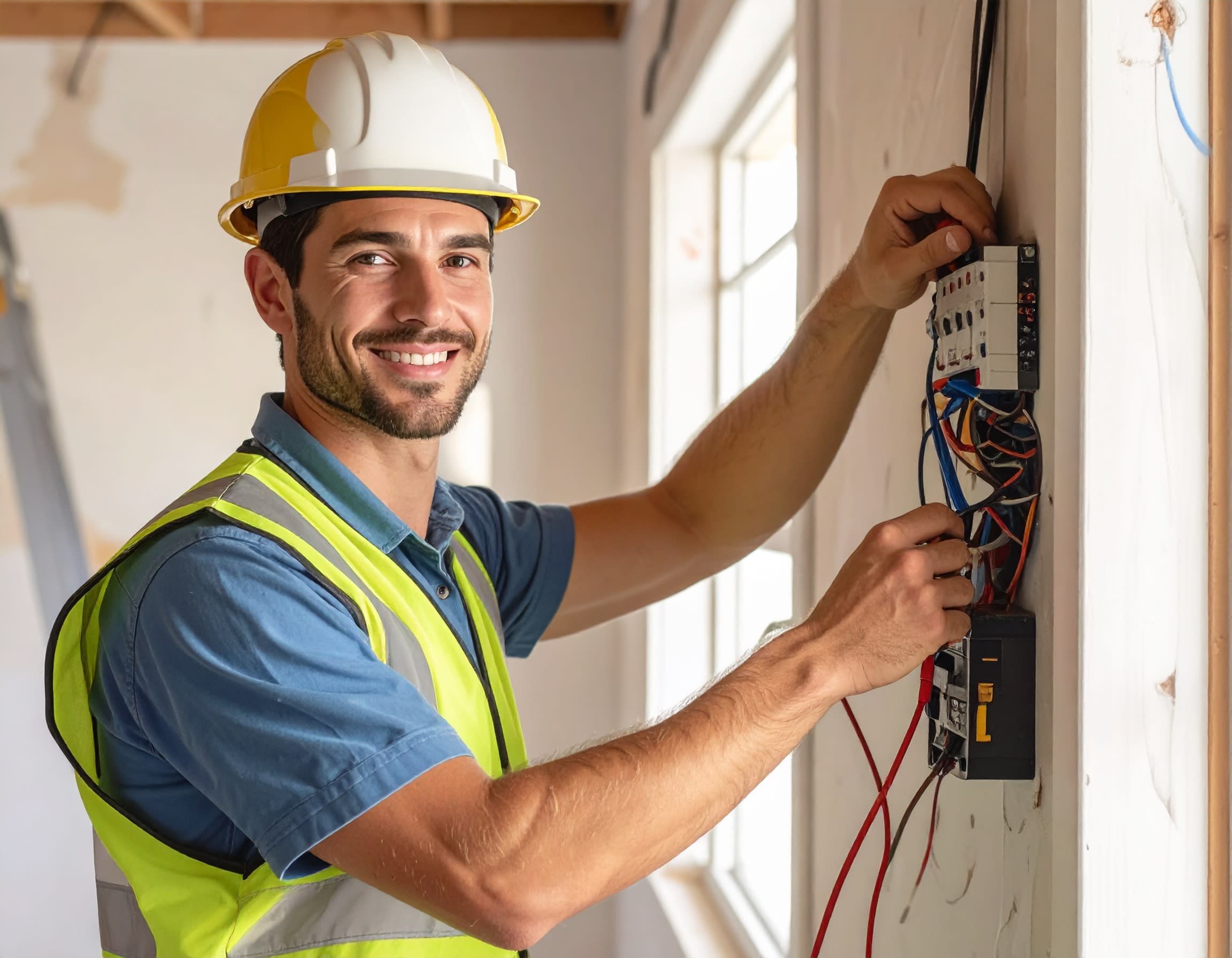


Apprentice electricians install wiring systems, troubleshoot circuits, and maintain safety standards on job sites while learning from licensed journeymen and master electricians. The work happens on ladders, in crawl spaces, and inside electrical panels across residential, commercial, and industrial buildings. Every task builds competency in electrical theory, National Electrical Code compliance, and the physical skills that separate people who understand circuits from people who can actually wire them. This breakdown focuses on what apprentices do hour by hour, not whether the career pays well or how fast you can break in. If you want to know whether pulling wire through attics in July or tracing voltage faults in basements sounds appealing, this is where you find out.
Apprentices execute hands-on electrical work under journeyman supervision, handling installations and troubleshooting that require physical precision and safety discipline. The job is less about creativity and more about following instructions correctly while building competency through repetition. You show up, get assigned tasks, complete them to code, and gradually handle more complex work as you prove you won't electrocute yourself or burn down buildings. Most responsibilities involve manipulating physical materials according to blueprints and electrical code, which means your hands and your brain both need to work reliably. Employers care that you show up on time, follow lockout/tagout procedures without shortcuts, and ask questions before making expensive mistakes. The tasks themselves are straightforward but unforgiving. Wire a receptacle backward and nothing works. Bend conduit at the wrong angle and the whole run needs redoing. Forget to test voltage before grabbing a wire and you might not get a second chance. Here's what fills most workdays: running electrical wire through walls, ceilings, and conduit using hand tools and power drills; measuring, cutting, and bending conduit to route wiring around obstacles between electrical boxes; stripping, terminating, and connecting wires to outlets, switches, circuit breakers, and junction boxes; testing circuits with multimeters and voltage testers to verify proper voltage, continuity, and grounding; assisting journeymen with troubleshooting by isolating faults, checking connections, and replacing damaged components; conducting pre-work safety checks including lockout/tagout procedures, PPE inspections, and job-site hazard assessments; organizing tools, materials, and staging areas to keep workflows efficient and sites compliant with OSHA standards.
Apprentices rely on hand benders, drills, stripping tools, and testing equipment to complete installation and troubleshooting work without injuring themselves or others. Most employers provide power tools and expensive testers, but many electricians buy their own hand tools once they realize cheap wire strippers create more problems than they solve. Hand benders shape conduit into 90-degree angles, offsets, and kicks that route wiring around obstacles while maintaining code-compliant spacing. Drills with paddle bits or hole saws bore through studs and joists to run wire between floors and rooms. Stripping tools remove insulation cleanly without nicking copper, which matters more than it sounds like it should. Voltage testers and multimeters verify circuits are dead before you touch them and confirm installations work correctly after you finish. Levels, measuring tapes, and fish tape ensure wiring follows blueprints precisely instead of approximately. Two-way radios handle job-site communication when you're three floors apart from your journeyman, and some companies use mobile apps for time tracking, material orders, and safety documentation. The tools themselves are simple. Using them correctly under pressure while following code and not destroying expensive materials is the part that takes practice.
Most apprentices start their day at a shop or job site loading tools, reviewing blueprints, and attending safety briefings where journeymen explain what's getting installed and which hazards need attention. The middle chunk of the day involves executing tasks like pulling wire through conduit, mounting electrical boxes, or installing outlets and switches according to blueprints and direct supervision. Work rhythm alternates between rough-in phases when you're installing wiring infrastructure before walls close up and finish work when you're mounting devices after construction wraps. You frequently stop to test circuits, troubleshoot problems, and adjust installations when measurements don't match reality or inspectors want changes. Lunch breaks happen when they happen, which is electrician-speak for "whenever the crew lead says so." The last hour involves securing tools, cleaning work areas, and debriefing about what got done and what's happening tomorrow. Some days you finish feeling competent. Other days you spend eight hours fixing a mistake that took 30 seconds to make. Both are normal.
Apprentices work directly under journeymen and master electricians who assign tasks, demonstrate techniques, and inspect completed work for code compliance and safety mistakes before inspectors find them. On larger job sites, you coordinate with general contractors who control scheduling, plumbers and HVAC techs who need the same wall cavities you do, and framers who sometimes drill through your conduit because construction is chaos. Building inspectors show up unannounced to verify installations meet National Electrical Code requirements, which means you prepare work areas, answer questions about what you installed and why, and make corrections when something doesn't pass. Material suppliers get called when you need replacement parts or specialized connectors, and on service calls you sometimes interact with homeowners or business owners who want to know why their panel is sparking or their circuits keep tripping. Every interaction requires clear communication because assumptions and vague answers create expensive problems. Journeymen expect you to ask questions before guessing. Inspectors expect you to know code. General contractors expect you to stay on schedule. Meeting all three expectations simultaneously is most of the job.
Entry-level apprentices handle foundational tasks that build tool proficiency and safety habits without requiring judgment calls or independent problem-solving. You run wire through conduit someone else installed, cut materials to specified lengths, strip insulation under supervision, organize job sites, and test circuits after journeymen finish installations. The work is simple but not easy, since doing it quickly without mistakes requires physical stamina and attention to detail most people overestimate. As competency builds, you start bending conduit independently, troubleshooting circuit faults by tracing wiring and testing components, reading blueprints to plan installations before starting work, and completing entire circuits with minimal oversight. Eventually you train newer apprentices, which is when you discover that explaining lockout/tagout procedures to someone who thinks safety rules are suggestions is its own special frustration. The difference between entry-level and experienced apprentice work isn't physical difficulty. Both stages involve standing on ladders, crawling through tight spaces, and working in weather that makes you question your life choices. The difference is decision-making autonomy and how often you need to ask for help. New apprentices ask constantly. Experienced apprentices know what they're doing and when they don't.
Apprentice electricians spend their days running wire, bending conduit, testing circuits, and learning electrical systems through hands-on repetition under experienced supervision. The work is physically demanding, safety-critical, and structured around building competency through doing the same tasks correctly hundreds of times until they become automatic. People who enjoy tangible problem-solving, working with tools, and seeing finished installations that actually power buildings tend to thrive in electrical work. People who prefer abstract thinking, climate-controlled environments, or work that doesn't involve crawling through attics usually realize pretty quickly this isn't their path. Understanding what apprentice electricians actually do every day matters more than salary ranges or job growth statistics, because the difference between reading about electrical work and spending eight hours in a mechanical room troubleshooting a three-phase circuit is the difference between theory and reality.
Watch the free introduction course to learn what an apprentice electrician does, how to break into this role without prior experience, and what the CourseCareers Electrician Course covers.
What does a typical workday actually look like for apprentice electricians?
You start at a shop or site loading tools and attending safety briefings, then spend most of the day running wire, bending conduit, mounting boxes, and testing circuits under journeyman direction. Work alternates between rough-in installations before walls close and finish work after construction wraps. Days end with tool cleanup and planning sessions for tomorrow's tasks. Some days flow smoothly. Others involve fixing mistakes or adapting to job-site changes that weren't on the blueprint.
Which tools do apprentices use most often every day?
Hand benders for shaping conduit, drills for running wire, stripping tools for preparing connections, and voltage testers for verifying circuits are safe before touching them. Multimeters confirm installations work correctly after completion. Measuring tapes, levels, and fish tape keep wiring accurate according to blueprints. Most employers provide power tools and testers, but many electricians buy their own hand tools once they realize quality matters more than price.
What's hardest for beginners when they're learning the work?
Bending conduit accurately takes practice because small errors compound into big alignment problems later. Reading blueprints fluently requires understanding how symbols and measurements translate to physical installations on actual job sites. Troubleshooting circuits is difficult at first because it requires understanding how electrical systems behave under different fault conditions, not just memorizing steps. Most beginners also struggle with pace, since experienced electricians complete identical tasks three times faster through muscle memory and pattern recognition.
Is this job mostly independent work or constant coordination?
Apprentices work under direct journeyman supervision most of the time, receiving assignments, asking questions, and getting feedback on completed installations. Some tasks like running wire or organizing materials become independent as skills develop, but troubleshooting and complex work requires constant check-ins. Larger job sites involve coordinating with other trades to avoid conflicts when multiple crews need the same spaces for plumbing, electrical, and HVAC installations.
Do entry-level apprentices handle the same work as experienced ones?
No. Entry-level apprentices focus on running wire, cutting conduit, and organizing materials under close supervision. Experienced apprentices independently bend conduit, troubleshoot circuits, read blueprints, and install complete systems with minimal oversight. The difference is task complexity and decision-making autonomy, not physical effort. Both groups work hard, but experienced apprentices handle installations requiring more planning, problem-solving, and code interpretation without constant guidance.
Is electrical work more about following processes or solving problems?
Apprentice work is primarily process-driven, following established installation methods, safety protocols, and National Electrical Code requirements across different job sites. Problem-solving becomes more frequent as skills develop and you encounter circuit faults, blueprint discrepancies, or obstacles requiring improvisation. Most days involve executing structured work according to journeyman direction, with troubleshooting happening as needed when installations don't go as planned or systems don't behave as expected.
Lockout/Tagout (LOTO): Safety procedure isolating electrical circuits from power sources and preventing accidental re-energization during maintenance or installation work.
Conduit: Protective tubing routing and shielding electrical wiring through walls, ceilings, and building structures.
Multimeter: Handheld testing device measuring voltage, current, and resistance in circuits to verify function and diagnose faults.
Rough-in: Installation phase where wiring, conduit, and electrical boxes are installed inside walls before drywall or finishing materials are applied.
Journeyman Electrician: Licensed electrician who completed apprenticeship training and works independently on installations under minimal supervision.
Circuit Breaker: Safety device in electrical panels automatically interrupting power when circuits become overloaded or short-circuited.
National Electrical Code (NEC): Standardized safety regulations governing electrical installations in the United States, updated every three years.
PPE (Personal Protective Equipment): Safety gear including insulated gloves, safety glasses, hard hats, and flame-resistant clothing protecting electricians from job-site hazards.
Occupational Safety and Health Administration, Lockout/Tagout Fact Sheet, https://www.osha.gov/sites/default/files/publications/osha3120.pdf, 2002