Congrats on being referred to CourseCareers! Find your next career path now with no upfront cost.

100% Scholarships Available. Open to Everyone.
Learn More

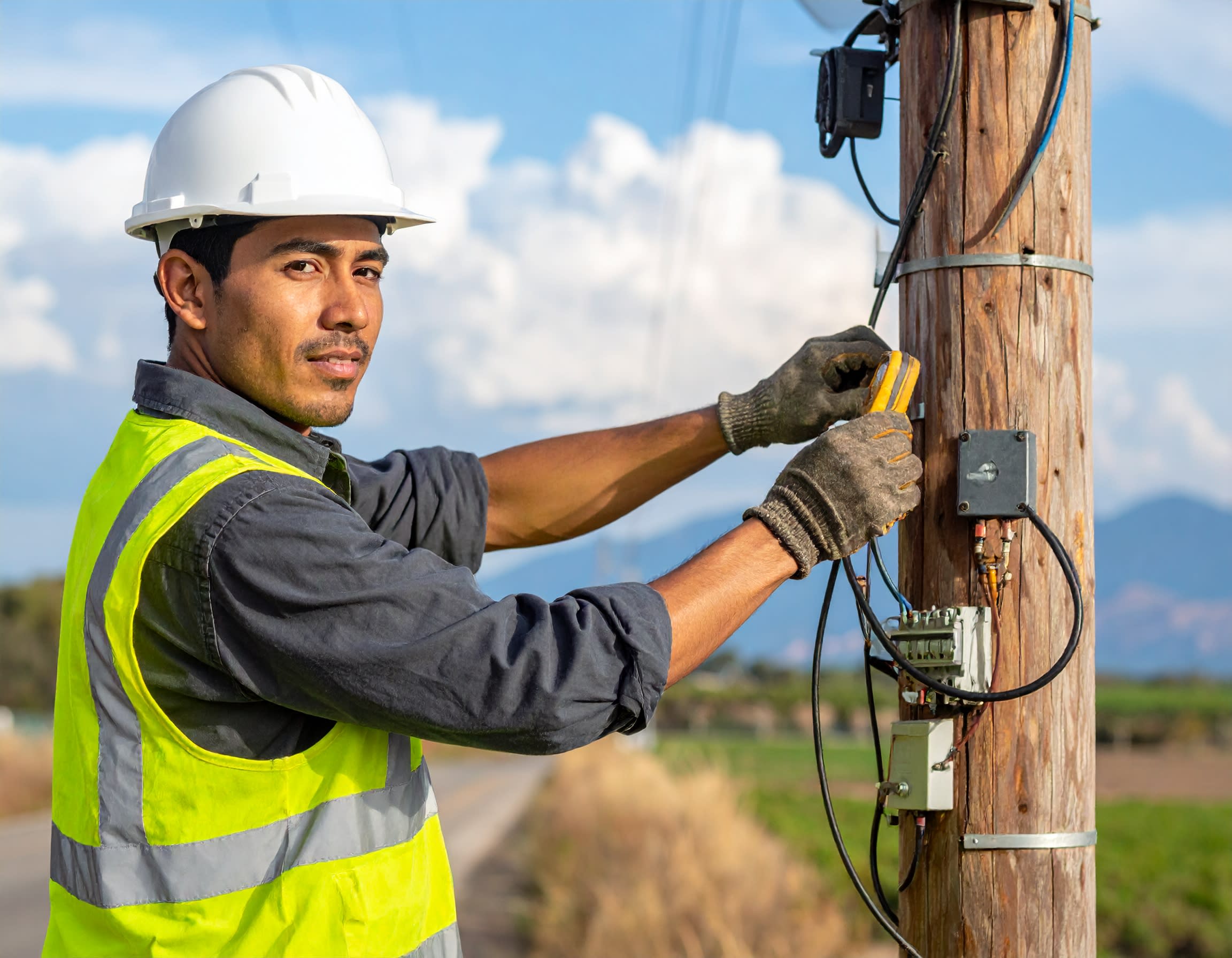


Apprentices waste weeks learning electrical tools before they understand the construction work that comes first. The confusion isn't about tool quality, it's about workflow position. General construction tools like drills, levels, and tape measures handle the structural prep work: mounting boxes, securing conduit supports, cutting access holes. Electrical tools like wire strippers, voltage testers, and conduit benders execute the actual circuit installation after infrastructure is ready. Most beginners assume they should start with wire strippers and multimeters because those feel more "electrician-specific," but you'll spend your first month positioning boxes and running conduit before you touch a single wire. Good training programs teach this sequencing explicitly: what each tool does, when it appears in real workflows, and why learning order determines whether you look competent or clueless on day one. This post breaks down which category to master first and why that foundation prevents the rework, confusion, and credibility hits that derail new apprentices.
General construction tools prepare the physical infrastructure that electrical components attach to. Tape measures mark box locations and conduit runs. Levels ensure boxes mount plumb and conduit slopes properly for drainage. Drills and impact drivers secure boxes to studs, fasten conduit hangers, and anchor equipment. Saws and utility knives cut access holes, trim conduit, and strip cable sheathing. These tools don't interact with circuits, they position the framework that wiring depends on. Apprentices encounter them immediately because you can't wire anything until boxes are mounted and conduit is secured. Your first week involves measuring layout dimensions, drilling pilot holes for anchors, driving screws without stripping heads, and cutting materials cleanly. Competence means knowing which drill bit matches which anchor size, how to read a tape measure to sixteenths, and when a box is level enough to meet code without slowing down the crew. Experienced journeymen expect new apprentices to handle these fundamentals without constant supervision because every subsequent task depends on this foundation being solid.
Electrical tools execute circuit installation, wire preparation, and verification tasks that only matter after boxes and conduit are in place. Wire strippers remove insulation without nicking conductors, a skill that's useless until you're actually pulling wire through installed conduit. Lineman's pliers twist wire connections and trim conductors, but only after you've positioned the box those connections terminate in. Voltage testers confirm circuits are de-energized before you work, which assumes you already know which circuit you're testing and where it's located. Conduit benders create the 90-degree turns and offsets that follow building layouts, but bending requires understanding where the conduit run goes and what obstacles it must avoid. Fish tape pulls wire through conduit once the conduit is secured and you're ready for the pull. Multimeters measure voltage, current, and resistance to verify circuit behavior, but interpreting readings depends on understanding what the circuit is supposed to do. These tools become relevant after structural work establishes the framework. Most apprenticeship programs and job sites follow this progression naturally (infrastructure first, then circuit assembly) so you learn each tool at the moment it actually matters in the workflow.
General construction tools come first because electrical work literally cannot proceed without prepared infrastructure. A drill seems simpler than a multimeter, but simplicity isn't the point, positioning is. You'll use a tape measure to mark where a junction box goes, a drill to fasten it to the stud, and a level to confirm it's plumb before the inspector arrives. Only after those tasks are complete can you strip wire, make connections, and test the circuit. Electrical tools address later phases: pulling conductors through installed conduit, terminating wires in positioned boxes, verifying completed circuits. Neither category replaces the other, they handle sequential stages of the same installation. Apprentices who learn wire stripping before they understand box placement waste time practicing a skill they can't apply. The workflow positions construction tools earlier because wiring depends on having boxes, conduit, and supports correctly installed first. This sequencing applies to every job site regardless of project size or complexity.
General construction tools matter immediately because day-one tasks involve positioning components, not wiring circuits. Your first assignment might be marking box locations at specified heights, drilling pilot holes for masonry anchors, or securing EMT straps at code-required intervals. These tasks establish the physical framework that electrical work depends on. Understanding fundamentals means measuring accurately without rechecking every dimension, drilling clean holes without splitting studs, driving fasteners flush without stripping screws, and cutting materials squarely. A poorly positioned box creates tight bends that violate code, inadequate working space that makes connections difficult, or misalignment that forces rework after inspection. Beginners who skip this foundation struggle later because electrical tools can't fix structural mistakes, you'll just be stripping wire and bending conduit around problems that shouldn't exist. Showing up competent with construction tools earns trust from journeymen who then teach you the electrical-specific techniques that follow.
Electrical tools become useful once boxes are mounted, conduit is secured, and you're ready to pull wire or make connections. A beginner must already understand installation sequences before these tools add value. Wire strippers only matter when you're actually pulling conductors through conduit and need to prepare terminations. Lineman's pliers become relevant when you're twisting wire nuts onto connections inside a positioned box. Voltage testers depend on your ability to identify which circuit you're working on and what voltage to expect. Conduit benders require understanding the layout, knowing where bends must occur, and calculating bend distances accurately. This dependency on prior context means electrical tools aren't the starting point, they're the next layer after infrastructure is ready. Apprentices who rush into wire stripping practice before they've installed a single box waste time because the skill sits unused until the workflow reaches that phase. Experienced electricians teach this progression explicitly: master the structural tasks first, then move to circuit-specific techniques once you understand where they fit.
For general construction tools, baseline competency means measuring to sixteenths consistently, operating drills without damaging materials, driving fasteners flush, using levels to verify alignment, and cutting cleanly with saws or knives. You should navigate tool settings without asking for help, select appropriate bits and blades for different materials, and execute core actions confidently. Output competency means recognizing when a hole is the correct diameter, a box is level within tolerance, or a cut is square enough to fit properly. For electrical tools, baseline skill includes stripping wire without nicking copper, twisting connections that pass pull tests, bending conduit to match layout drawings, using testers to confirm circuits are de-energized, and reading multimeters to verify voltage and continuity. You should understand tool calibration, safe handling procedures for energized systems, and when readings indicate problems requiring immediate correction. These standards matter because "knowing how to use a tool" means different things at different experience levels, baseline competency focuses on the core actions that apply to 90% of daily tasks.
Learning electrical tools before understanding where they fit in the workflow: Apprentices practice wire stripping or conduit bending without grasping what comes before or after those tasks. This creates confusion because you can't apply the skill effectively when you don't understand the sequence. You end up asking basic questions that reveal you learned the tool in isolation rather than as part of a process.
Assuming construction tool proficiency transfers to electrical-specific tasks: Competence with a drill doesn't mean you understand how to strip wire, test circuits, or bend conduit accurately. The tools address different problems and require distinct techniques. Beginners who skip dedicated practice with electrical tools struggle because the margin for error is smaller: a poorly driven screw is visible and fixable, but a nicked conductor inside a wall creates failures that appear weeks later during troubleshooting.
Overlearning advanced features before mastering core actions: Apprentices explore drill torque settings or multimeter frequency modes before they can consistently drive screws straight or measure voltage accurately. Advanced features only matter after you've internalized the fundamentals. Time spent learning features you won't use for months delays competency with the actions you'll perform daily.
Start with general construction tools because they support the preparatory tasks that happen before any wiring work begins. Learn to measure accurately, drill pilot holes cleanly, drive fasteners flush, and position boxes level. Master these tasks until they feel automatic rather than requiring conscious thought. Once you've built competency with infrastructure work, move to electrical tools that handle wire preparation, connection assembly, and circuit testing. This sequence follows the actual workflow where structural preparation precedes electrical installation. You'll avoid the confusion that comes from learning tools out of order and the credibility hit that comes from asking basic questions about tasks you should already understand. Competence builds sequentially: construction tools establish the framework, electrical tools complete the circuit work that framework supports.
Do I need to own both tool categories before starting as an apprentice?
Most employers provide electrical tools because they require calibration, safety certification, and sometimes voltage ratings for specific environments. You'll typically need your own basic construction tools like a tape measure, utility knife, drill, and hand tools. Confirm specific requirements with your employer before day one; some shops provide everything, others expect apprentices to show up with a basic kit.
Can I skip general construction tools and focus only on electrical-specific equipment?
No. Electrical work depends on properly positioned infrastructure. You can't strip wire for a circuit if the box isn't mounted correctly or conduit isn't secured to code. Construction tools enable the preparatory tasks that make electrical installation physically possible. Skipping this foundation just means you'll struggle with basic positioning tasks while trying to learn advanced electrical techniques.
How do I know when I've learned enough about general tools to move to electrical ones?
You're ready when you can consistently measure accurately, drill pilot holes without damaging materials, drive fasteners flush, and position boxes level without multiple attempts. These core actions should feel automatic. If you're still consciously thinking about how to read a tape measure or which drill bit to use, you're not ready; your focus needs to be on the electrical work, not the infrastructure prep.
What's the actual difference between lineman's pliers and regular pliers?
Lineman's pliers have a flat gripping surface designed specifically for twisting wire connections and a cutting edge positioned for trimming conductors cleanly. Regular pliers lack the leverage geometry and cutting angle needed for electrical work. Using regular pliers for wire work produces weak connections that fail pull tests or creates burrs on cut wire that make terminations difficult. Lineman's pliers are purpose-built for the mechanical forces and precision electricians need daily.