Congrats on being referred to CourseCareers! Find your next career path now with no upfront cost.


Black Friday Offer: 20% Off

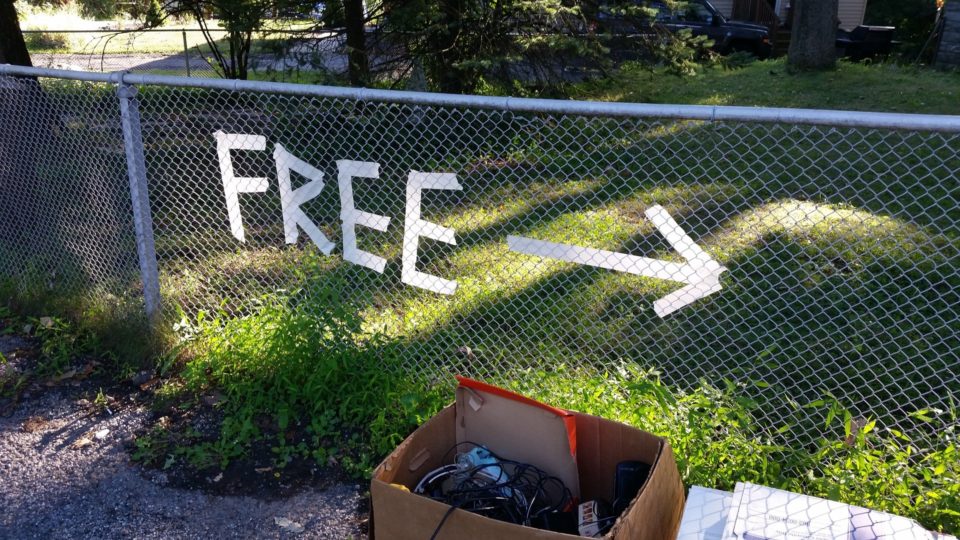
Is free college a good idea? As of November 2026, I still say no, not in the current state of the US college system. Several states now cover community college tuition for eligible residents, but making college free for everyone would push more people into degrees they don't use and pull them away from careers that don't need one.
There is an idea going around that free college for everyone is a good idea. While this might sound good in theory, free college is actually a terrible idea in the current state of our college system.
This is due to the inefficiency that would skyrocket if it was free. Imagine how many more people would go to college just for the heck of it if it didn’t cost anything. These people wouldn’t care about making the most of their time or putting in the effort to start a career afterward.
They would just be going to get that college experience while they figure out what they actually want to do. I would bet that this would drive the average inefficiency of using college to start a career up over 99%.
Free college would also affect the people that didn’t plan on going to college in the first place. The people who were planning to go into the trades or were going to do something else wouldn’t do it anymore.
Why should they? If it’s the free, fun, and cool thing that all their friends are doing, then why not? If they didn’t go, then they would still have to pay for everyone else to go to college in the form of taxes. That wouldn’t seem fair.
Without people going into fields that don’t require college, it would drive the price of services such as construction, plumbing, and manufacturing way up. Perhaps even to a price that would make it hard for the middle and lower class to afford. If you're weighing the trades yourself, see what trade school costs in 2026 and high-paying trade careers you can start without college.
Free college would also make college degrees even more worthless because anyone and everyone would have one. It would come to the point that just a week’s worth of specialized education would be more valuable than a college degree for many jobs.
Fast food restaurants’ new qualification might require a college degree or one month’s worth of work experience. Other than how poorly a college degree would result in getting a good job, imagine how much more inefficient colleges would use the money they get.
If colleges get funding based on the number of students enrolled, then they would just ramp up their spending on what attracts students. This means that for all the students who are just going for the experience, then colleges would just further spend on the experience and less on the education.
This combined with lowered academic standards to accommodate every level would lower the overall quality of the education for the few students who actually want to learn.
Free college isn't just an idea going around anymore. Some states now cover community college tuition for eligible residents:
Meanwhile, the sticker price of college is still high. Here are the College Board's averages for 2026-27, before any aid:
| College type | Average published tuition and fees, 2026-27 |
|---|---|
| Public two-year, in-district | $4,210 |
| Public four-year, in-state | $12,290 |
| Public four-year, out-of-state | $32,730 |
| Private nonprofit four-year | $46,350 |
The only reason the free college system works at all in some other countries such as Germany and Sweden is because their system is much different than ours. Germany abolished general tuition fees in 2014, although Baden-Württemberg has charged non-EU students 1,500 euros a semester since 2017. Sweden charges tuition to most students who aren't citizens of an EU or EEA country or Switzerland.
In most German states they actually separate kids based on their abilities and desired path at the end of 4th grade (6th grade in Berlin and Brandenburg). This is what keeps the number of people studying different careers in line with their economic demands by limiting how many people can even go to college.
Their college experience isn’t all that different from the apprenticeship experience either. They don’t have a party culture, sports teams, or fraternities and sororities. The government doesn’t pay for much of anything experience-wise as the only thing they provide is the education.
This is why so many people opt to choose apprenticeships over college as there isn’t a big difference in the fun or cool factor. The idea of free college in the US actually stems from the belief that education is a right and is desirable for our society to have educated people.
I firmly believe everyone should have the opportunity to educate themselves. With our modern world giving free or affordable access to education for anyone who wants to learn, it’s no longer necessary for the government to be involved in funding colleges to achieve this goal. Education already is accessible to anyone who wants to learn. For ways to show employers what you can do without a degree, read how to prove your potential without a college degree.
If you want to learn more about a better alternative to college, then read The Lean Career for free.
Why is free college a bad idea?
In my view, free college would fill colleges with people going for the experience, pull people away from the trades and other careers that don't need a degree, make degrees worth even less, and give colleges more reason to spend on the experience instead of the education.
Which states have free community college in 2026?
As of November 2026, several states do. For example, Tennessee (Tennessee Promise), Massachusetts and New Mexico all cover community college tuition for eligible residents, and New Mexico extends it to public four-year colleges. Each state sets its own rules on who qualifies.
How much does college cost in 2026?
For 2026-27, the College Board puts average published tuition and fees at $4,210 at public two-year colleges, $12,290 at in-state public four-year colleges, $32,730 for out-of-state students at public four-year colleges and $46,350 at private nonprofit four-year colleges. Housing and food are extra.
Is college free in Germany and Sweden?
Mostly. Germany abolished general tuition fees in 2014, though Baden-Württemberg charges non-EU students 1,500 euros a semester. Sweden charges tuition to most students who aren't EU, EEA or Swiss citizens. Both systems also differ from ours: most German states sort kids into school tracks after 4th grade.
What is a better alternative to free college?
Pick the career you want, learn the specific skills its entry-level jobs need, get your foot in the door, and keep learning on the job. That approach is what I call The Lean Career.


 Katie Lemon