Congrats on being referred to CourseCareers! Find your next career path now with no upfront cost.

100% Scholarships Available. Open to Everyone.
Learn More

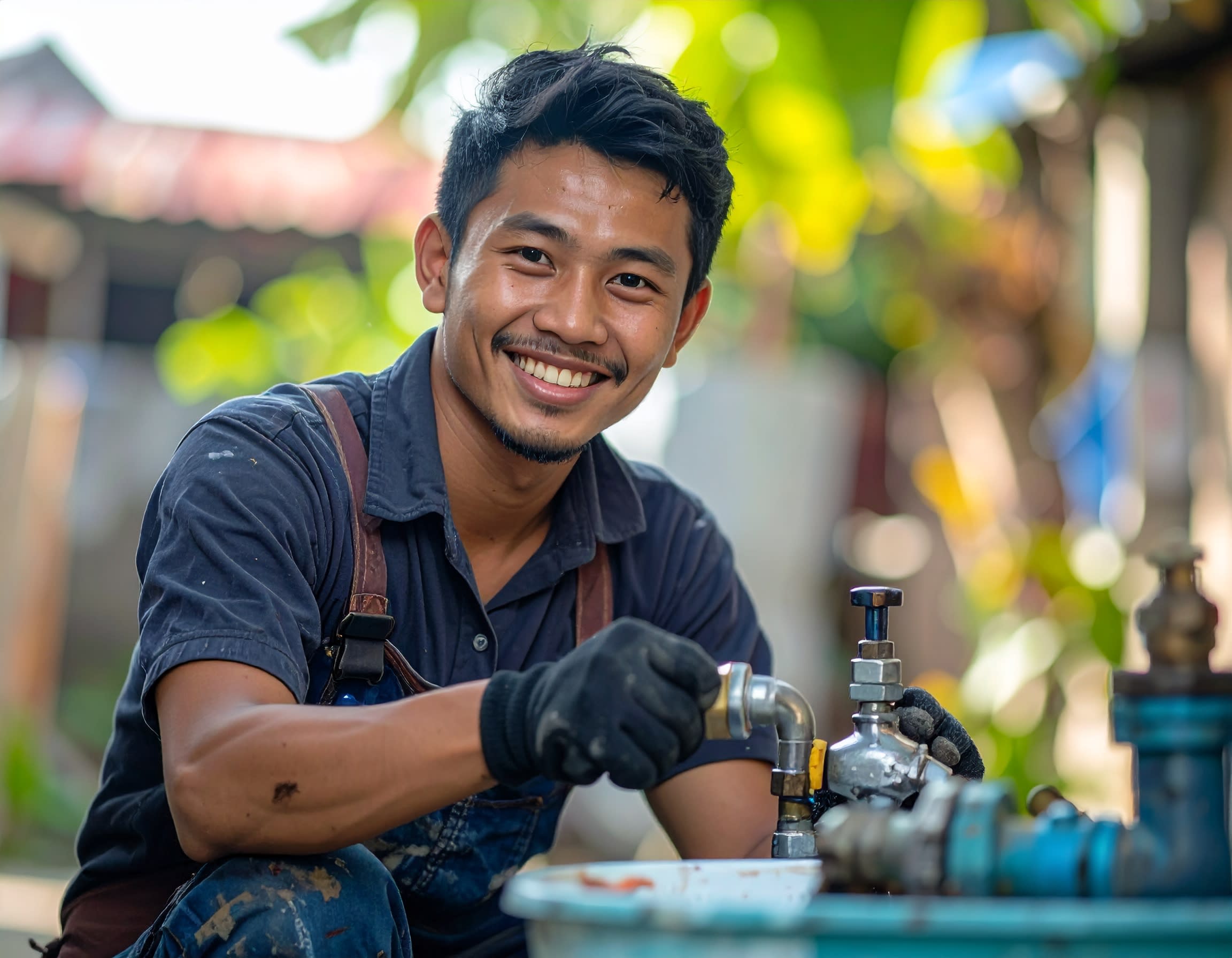


Most people looking to start a plumbing career don't get rejected because they lack skills. They get rejected because they apply to job titles that sound beginner-friendly but actually require years of experience. "Entry-level plumber" isn't a real job title the way "junior developer" exists in tech. Plumbing companies hire beginners into specific roles designed around on-the-job training, where lack of hands-on experience is expected and built into the job structure. Applying to the right title improves your response rate immediately because it signals you understand how the industry actually works. The three job titles below represent the clearest paths into plumbing for people without trade school or prior jobsite experience. Each one is structured to teach while you earn, and each one hires beginners by design.
Apprentice plumbers assist licensed journeymen with installations, repairs, and maintenance across residential or commercial sites while learning the trade through direct supervision and hands-on work. An apprentice plumber works under a licensed journeyman or master plumber, learning to measure and cut pipe, assemble fittings, test systems for leaks, and prepare materials while the licensed plumber handles technical decisions and final installations. Your day includes preparing jobsites, carrying tools, threading pipe, digging trenches, and watching experienced plumbers diagnose problems in real time. Early tasks focus on repetition and observation rather than independent work. You're learning the sequence of a complete job from rough-in through final inspection, building familiarity with PVC, CPVC, PEX, and copper materials along the way. Employers know you're there to learn, so mistakes get corrected as teaching moments as long as you stay attentive and follow direction without needing constant reminders.
Companies hire apprentices specifically because they need reliable people they can train from the ground up according to their own standards and methods. They care more about your willingness to show up on time, follow instructions carefully, and handle physically demanding work than they do about prior plumbing knowledge or certifications. Apprenticeships are training positions by definition, meaning the job itself is how you gain experience rather than a credential you need before applying. Many states require apprentices to log a certain number of supervised hours before qualifying for licensing exams, so employers understand that hiring beginners keeps the industry pipeline full and ensures they have trained workers as their companies grow. You don't need trade school to qualify because the role assumes you're starting with minimal hands-on experience. Reliability, trainability, and seriousness about learning the trade matter more than what you already know when you walk through the door.
Plumber's helpers handle the physical and preparatory work that keeps plumbing jobs moving efficiently while learning terminology, materials, and basic techniques through constant exposure to jobsite conditions. A plumber's helper supports licensed plumbers by loading and unloading tools, organizing materials, digging trenches, running pipe, and assisting with installations by holding fixtures in place or passing tools as needed. Much of your day involves manual labor like hauling heavy pipe, clearing debris, or preparing sites before actual plumbing work begins, but you're always watching how systems go together and absorbing the logic behind installation sequences. You're not performing technical work yourself yet, but you're building the foundational knowledge that makes apprentice-level training go faster once you're ready for more responsibility. Companies use this role to test whether someone has the stamina, attitude, and attention to detail needed for plumbing before promoting them to apprentice positions where mistakes carry higher stakes.
This title exists to bring complete beginners into plumbing without requiring any prior knowledge, certification, or trade school completion. Employers hiring helpers expect zero plumbing experience, which makes it one of the most accessible starting points for people looking to break into the trade quickly and start earning while they learn. The job itself teaches you what plumbing work actually involves day to day, so you can decide whether you want to commit to the trade before investing time in formal apprenticeship hours or licensing requirements. Helpers who show up consistently, work hard without complaining, and ask smart questions about what they're observing often get promoted to apprentice roles within three to six months. The role gives you exposure to real jobsites, real tools, and real problems faster than any classroom could, which means you're building practical knowledge while getting paid instead of paying for training you might not even use.
Entry-level service plumbers respond to maintenance calls, small repairs, and diagnostic work in residential or light commercial settings while learning troubleshooting methods and customer communication under initial supervision. A service plumber handles tasks like fixing leaky faucets, replacing worn valve stems, clearing slow drains, adjusting toilet fill valves, and inspecting systems for obvious issues, traveling to different sites throughout the day rather than working on single large projects. Early on, companies pair you with experienced techs who show you diagnostic sequences and repair methods, then gradually transition you to solo calls as you build confidence and prove you can represent the company professionally. The work is less physically demanding than new construction but requires stronger problem-solving skills because you're diagnosing issues on the spot rather than following installation plans drawn by someone else. You need to communicate clearly with homeowners, explain problems in plain language, and suggest appropriate fixes without overselling services or creating unnecessary alarm about minor issues.
Service work attracts beginners because it offers steady hours, less exposure to extreme weather compared to new construction, and opportunities to develop customer-facing skills that lead to higher-paying roles and eventually independent business ownership. Employers hiring for trainee or entry-level service positions expect to teach diagnostic methods and repair techniques on the job, so lack of prior experience isn't disqualifying as long as you demonstrate reliability, decent communication skills, and comfort working independently after initial training. Many service companies prefer hiring people without ingrained habits from other shops, which gives beginners an advantage over experienced plumbers who resist learning new systems or company-specific methods. The role builds a broad skill set quickly because you encounter more variety in a month of service calls than you would in six months of new construction, where tasks tend to be more repetitive and specialized. If you're organized, personable, and comfortable troubleshooting without someone standing over your shoulder, this path can lead to higher earnings faster than traditional apprenticeship routes.
Some plumbing job titles sound accessible but actually target people with years of jobsite experience and proven technical skills. Applying to these roles before you're ready wastes time and creates unnecessary rejection that can discourage you from continuing your job search. Journeyman plumber positions require a state license and thousands of supervised hours logged and verified, making them legally unavailable to anyone just starting out regardless of how much they've studied. Plumbing foreman or lead plumber titles assume you can manage a crew, read complex blueprints independently, coordinate with other trades, and handle project logistics without supervision or frequent guidance. Master plumber is a licensed classification that takes years of journeyman-level experience plus additional testing to achieve, so it's never an entry point no matter how motivated you are or how much training you've completed. Plumbing estimator roles require deep knowledge of material costs, labor rates, local code requirements, and project sequencing, which beginners haven't had enough exposure to acquire yet. Targeting these titles too early signals to employers that you don't understand how the plumbing industry structures career progression, which makes them less likely to consider you even for the beginner roles you actually qualify for.
The CourseCareers Plumbing Course trains beginners to become job-ready plumbing apprentices by teaching the full residential and commercial plumbing process, from foundational systems through installation, safety, and code compliance. Students build core competencies through lessons and exercises covering plumbing systems and safety, materials and methods, plumbing code and drawings, fixture installation and appliances, water heaters and systems, special topics like rural plumbing and backflow prevention, and professional readiness including communication and employer expectations. Most graduates complete the course in one to three months depending on their schedule and study commitment. After enrolling, you receive access to an optional customized study plan, the CourseCareers student Discord community, the Coura AI learning assistant which answers questions about lessons or the broader career, a built-in note-taking and study-guide tool, optional accountability texts, short simple professional networking activities that help you reach out to local professionals and begin forming connections, and affordable add-on one-on-one coaching sessions with plumbers currently working in the industry. Students have 14 days to switch courses or receive a refund, as long as the final exam hasn't been taken.
Employers hiring apprentices, helpers, and entry-level service techs care most about whether you understand basic plumbing terminology, recognize common materials and fittings, and know foundational safety protocols before you show up on day one. The course teaches water distribution systems, sanitary drainage, venting, atmospheric pressure principles, and OSHA safety requirements including proper PPE use, ladder safety, and trench safety, which means you already understand the hazards and precautions that protect you and your coworkers from injury. You learn installation methods for PVC, CPVC, PEX, and copper piping including threaded, crimped, soldered, and solvent-welded connections, so you recognize what experienced plumbers are doing and why they're choosing specific materials and methods for each application. The course covers drainage fixture units and sizing, venting methods like individual and wet venting, and how to read isometric and layout plans, which helps you follow instructions faster and avoid basic mistakes that signal complete inexperience. This knowledge doesn't replace hands-on practice, but it shortens your learning curve dramatically because you already understand what's happening and why rather than starting from zero and needing explanations for every single step.
After passing the final exam, you unlock the Career Launchpad section, which teaches you how to pitch yourself to employers and turn applications into interviews and offers in today's competitive environment. The Career Launchpad provides detailed guidance and short, simple activities to help you land interviews by teaching you how to optimize your resume, then use CourseCareers' proven job-search strategies focused on targeted, relationship-based outreach rather than mass-applying to hundreds of roles on job boards. You learn how to reach out to local plumbing companies directly, mention your training and readiness to learn in ways that feel genuine rather than scripted, and show sincere interest in their specific work rather than sending generic messages that get ignored. Next, you learn how to turn interviews into offers through access to unlimited practice with an AI interviewer that simulates common questions and scenarios, plus affordable add-on one-on-one coaching with industry professionals who can give you personalized feedback on your approach. The Career Launchpad concludes with career-advancement advice to help you grow beyond your first role once you've gained experience and proven yourself reliable.
If you're physically fit and want the fastest path to earning while you learn, start with plumber's helper or apprentice positions at companies doing residential or commercial installations. These roles prioritize work ethic and reliability over prior knowledge, and they expose you to a wide range of tasks quickly so you build practical skills faster than more specialized positions would allow. If you prefer more customer interaction and like troubleshooting problems independently rather than working as part of a crew, look for entry-level or trainee service plumber openings at repair-focused companies that handle mostly residential service calls. Service work tends to be less physically demanding and offers steadier hours without early morning starts or late finishes, but it requires stronger communication skills and comfort working alone without immediate backup when problems arise. Check local job boards to see which titles appear most frequently in your area, since some regions use "helper" while others prefer "apprentice" or "trainee" even when the actual responsibilities overlap significantly. Apply to whichever title matches both your natural strengths and local demand patterns, and don't worry about picking the perfect option on your first try because most plumbers switch between installation and service work multiple times throughout their careers as they figure out what they genuinely enjoy.
These three job titles exist specifically to bring new people into plumbing without requiring trade school or years of prior experience. Employers hiring for apprentice, helper, and entry-level service roles expect beginners and structure the work around training and gradual skill development rather than immediate productivity. Your first plumbing job is about gaining access to real jobsites, real tools, and real problems so you can start building the hands-on experience that leads to higher-paying roles, licensing opportunities, and eventually the option to run your own business. Training works best when it aligns directly to the job titles employers actually hire for, which is why understanding what each role involves matters as much as knowing technical skills like threading pipe or soldering copper. Watch the free introduction course to learn what a plumbing career is, how to break in without trade school experience, and what the CourseCareers Plumbing Course covers.
Do I need a license to apply for these entry-level plumbing jobs?
No. Apprentice plumbers, plumber's helpers, and entry-level service techs work under the supervision of licensed journeymen or master plumbers, which means you don't need your own license to get hired. Licensing comes later after you've logged the required hours and passed your state's exam.
How long does it take to move from helper to apprentice?
Most helpers who show up consistently, work hard, and take direction well get promoted to apprentice positions within three to six months. The timeline depends on how quickly you learn, how reliable you prove yourself, and how busy the company is with ongoing projects.
Can I apply to service plumber roles with no experience?
Yes, as long as the posting specifically says "entry-level" or "trainee." These positions are designed for beginners and typically include an initial training period where you shadow experienced techs before taking solo calls.
What's the difference between a helper and an apprentice?
Helpers handle mostly physical and preparatory work like digging trenches, hauling materials, and jobsite cleanup. Apprentices work more directly on installations and repairs under supervision, learning technical skills that count toward licensing requirements. Helper roles are often stepping stones to apprenticeships.
Do these jobs require trade school?
No. Employers expect to train you on the job, which is exactly why apprenticeships and helper positions exist in the first place. Trade school can help you learn faster once you're hired, but it's not required to get started.
What matters most when applying to these roles?
Reliability, work ethic, and willingness to learn. Employers care more about whether you show up on time, follow instructions without needing constant reminders, and handle physical work without complaining than whether you already know how to sweat copper or size drainage pipe.
Apprentice Plumber: A beginner-level position where you work under a licensed plumber, learning installation, repair, and maintenance skills while earning an hourly wage and logging hours toward future licensing requirements.
Plumber's Helper: An entry-level role focused on physical labor and job preparation, including hauling materials, digging trenches, and assisting licensed plumbers with installations and repairs.
Service Plumber: A technician who responds to maintenance calls, diagnoses issues, and performs repairs in residential or light commercial settings, often working independently after initial training.
Journeyman Plumber: A licensed classification requiring thousands of supervised hours and passing a state exam, allowing plumbers to work independently and supervise apprentices.
Master Plumber: The highest plumbing license, requiring additional years of experience beyond journeyman level and another exam, often needed to pull permits or run a plumbing business.
OSHA: Occupational Safety and Health Administration, the federal agency that sets and enforces workplace safety standards, including requirements for PPE, trench safety, and ladder use.
PVC (Polyvinyl Chloride): A rigid plastic pipe used for cold water supply and drainage systems, joined with solvent cement and commonly found in residential plumbing.
CPVC (Chlorinated Polyvinyl Chloride): A heat-resistant plastic pipe used for hot and cold water distribution, also joined with solvent cement.
PEX (Cross-Linked Polyethylene): A flexible plastic pipe used for water supply lines, connected with crimped or expansion fittings.
Drainage Fixture Unit (DFU): A standardized measurement used in plumbing codes to calculate the drainage capacity required for fixtures, helping plumbers size pipes correctly.
Solvent Welding: A joining method for plastic pipes where solvent cement chemically fuses pipe and fittings together, creating a permanent watertight seal.
Venting: The system of pipes that allows air into drainage systems, preventing siphoning and ensuring smooth wastewater flow.
Bureau of Labor Statistics, Plumbers, Pipefitters, and Steamfitters, https://www.bls.gov/ooh/construction-and-extraction/plumbers-pipefitters-and-steamfitters.htm, 2024
International Code Council, International Plumbing Code, https://www.iccsafe.org/products-and-services/i-codes/2021-i-codes/ipc/, 2021
Occupational Safety and Health Administration, Construction Safety Standards, https://www.osha.gov/construction, 2024