Congrats on being referred to CourseCareers! Find your next career path now with no upfront cost.

100% Scholarships Available. Open to Everyone.
See Scholarship Details

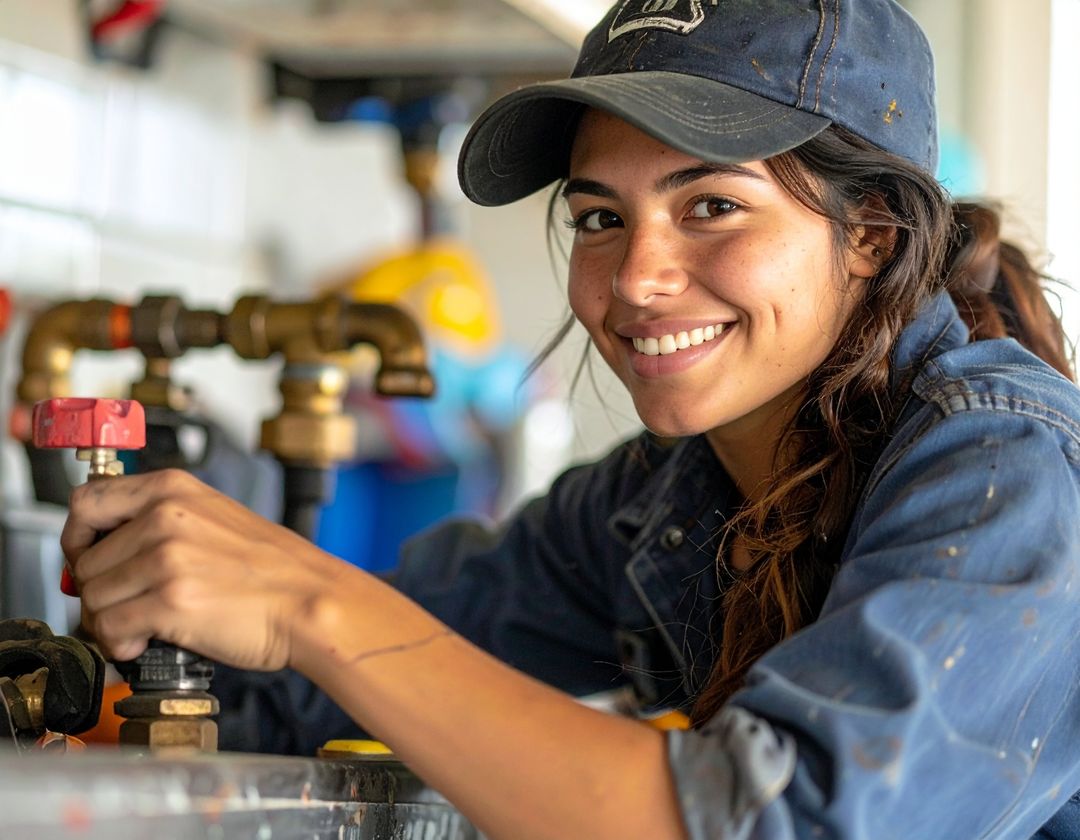


Most people think breaking into plumbing means spending years in trade school before anyone will hire you. That's not how it works. Entry-level plumbing employers care about foundational knowledge, safety awareness, and the ability to learn on the job, not whether you've soldered 500 practice joints. This post explains the specific knowledge, safety awareness, and work habits that help a beginner get hired as a plumbing apprentice. The CourseCareers Plumbing Course teaches beginners the systems understanding, terminology, and professional readiness that help you stand out when applying for apprentice positions. You learn what plumbing work involves, how it's planned and performed, and what employers expect from day one, so you can show up confident instead of clueless. Apprenticeships provide paid, on-the-job training, meaning you earn while you build hands-on competency. Read How to Start a Plumbing Career Without Experience for a broader look at entry paths. At $499, the CourseCareers Plumbing Course is the structured, affordable way to go from curious about plumbing to ready for that first paid position.
Plumber's apprentices assist licensed plumbers with residential and commercial plumbing installations, repairs, and maintenance. You spend your days learning how water distribution, drainage systems, and venting work while helping with tasks like assembling pipe sections, preparing materials, and supporting fixture installations. Apprentices work under supervision, following safety protocols and building practical skills through real job site experience. The role sits at the entry level of the plumbing career path, where reliability and eagerness to learn matter more than prior experience. Apprenticeships provide paid training, meaning you earn while you develop the hands-on competencies that lead to journeyman certification. This position matters because skilled plumbers keep buildings functional and safe, and every experienced plumber started exactly where you are now.
Plumbing employers prioritize reliability, trainability, and work ethic above all else. They want someone who shows up on time, follows instructions carefully, and takes pride in doing solid work. It's worth being direct here: employers do not expect prior job-site mastery from a new apprentice. They expect professionalism, safety awareness, and a genuine willingness to learn. You don't need prior hands-on experience because employers plan to train you on the job, but they do look for foundational safety knowledge and a basic understanding of how plumbing systems function. Read What It Takes to Get Hired as a Plumbing Apprentice When You’re Starting With No Experience for a deeper look at how employers evaluate candidates. Reliable transportation is essential since job sites change frequently. Most employers also require the ability to pass a drug test. What sets strong candidates apart is showing you've prepared by learning the terminology, understanding the work, and demonstrating professionalism. Employers can tell the difference between someone who Googled "plumbing basics" the night before and someone who took the time to build real foundational knowledge.
Plumbing systems knowledge covers how water moves into buildings, how waste drains out, and how venting prevents sewer gases from entering occupied spaces. You need to understand water distribution basics, sanitary drainage principles, and the role atmospheric pressure plays in making everything work correctly. Safety knowledge includes OSHA requirements, proper use of personal protective equipment, ladder safety, and trench safety protocols. This matters on day one because you'll be working around pressurized water lines, sharp tools, and confined spaces where mistakes can cause injuries or property damage. Employers want apprentices who understand why safety rules exist and follow them without being reminded. Strong systems understanding also helps you learn faster once you're on the job because you already know how the pieces fit together conceptually.
Plumber's apprentices should be familiar with common pipe materials like PVC, CPVC, PEX, copper, and cast iron, along with the connection methods used for each. PVC and CPVC use solvent welding, PEX uses crimped or expansion fittings, copper requires soldering, and some systems use threaded connections. The goal here is recognition and basic understanding, not performing advanced installs unsupervised. You should understand which materials suit different applications and how connections are made so you can prepare materials correctly, hand the right fittings to the plumber you're assisting, and understand what's happening when things go wrong. Employers notice when an apprentice already knows the difference between a coupling and a reducer or can identify pipe materials on sight. It shows you're serious about the trade and ready to contribute instead of starting from absolute zero.
Professional skills for plumbers include showing up on time, communicating clearly with team members, and managing your time so tasks get done efficiently. Plumbing work often involves coordinating with other trades, dealing with property owners, and working in occupied buildings where professionalism matters. You need to listen carefully to instructions, ask questions when you're unsure, and take responsibility for the quality of your work. Reliability means your employer can count on you to show up every day, follow through on assigned tasks, and maintain a positive attitude even when the work is physically demanding. Strong communication helps you work effectively as part of a team, avoid costly mistakes, and build the kind of reputation that leads to steady employment and long-term career growth.
Plumbing code knowledge includes understanding drainage fixture units, proper pipe sizing, venting requirements, and how to read isometric and layout plans. Codes exist to ensure plumbing systems work safely and reliably, and apprentices who understand the reasoning behind code requirements learn faster and make fewer mistakes. You should know the basics of individual venting, wet venting, and circuit venting methods, along with how slope requirements affect drainage performance. Reading plans helps you visualize how systems are laid out before installation begins, making it easier to prepare materials and understand the sequence of work. Employers value apprentices who grasp these concepts because it reduces supervision time and helps projects stay on schedule. Strong layout understanding also prepares you for the licensing exams you'll eventually take as you advance toward journeyman status.
Foundational skills don't stay abstract once you're on a job site. They show up constantly, in small decisions and daily tasks that determine how useful you are to the crew. Apprentices who understand the work conceptually contribute more value from day one, learn hands-on techniques faster, and earn trust that leads to more responsibility and better opportunities. Here are four common scenarios where preparation makes a real difference.
When a plumber asks you to prepare materials for a bathroom rough-in, systems knowledge helps you select the right pipe sizes, gather appropriate fittings, and understand why certain venting configurations are required for that layout. You're not guessing. You recognize a wet-vent setup, know which DFU values apply, and pull materials that match the plan instead of making the plumber correct your selections twice.
If a drainage line isn't flowing correctly, understanding slope requirements and drainage fixture unit calculations helps you recognize what's wrong faster instead of waiting for the plumber to diagnose it while you stand nearby. Knowing that a quarter-inch-per-foot slope is standard and what happens when it's too flat or too steep turns you from a bystander into a contributing team member, even at the apprentice level.
When installing a water heater, knowing how expansion tanks, temperature-pressure relief valves, and recirculation loops function means you can assist more effectively instead of just handing tools without understanding why they're needed. Anticipating the next step in a sequence is a skill employers notice quickly, and it's the kind of thing that separates a reliable apprentice from someone who needs constant direction.
During fixture installations, understanding trap requirements and proper vent placement helps you anticipate the next steps in the process. You can pre-stage materials, ask informed questions about the plan, and catch obvious errors before they become corrections. Strong preparation creates a foundation that accelerates everything else you'll learn on the job.
Most beginners try piecing together plumbing knowledge from YouTube videos, forums, and scattered blog posts. This approach gives you surface-level familiarity with topics but no structured path through the material, so you end up with random facts instead of cohesive understanding. Free content rarely explains why systems are designed certain ways or how different concepts connect to each other. You might learn what PEX is without understanding when to use it instead of copper. You'll see soldering demonstrations but miss the code requirements that determine pipe sizing. This self-teaching method takes much longer than necessary and leaves gaps that become obvious once you're on a job site. Without structure or feedback, beginners often misunderstand fundamental concepts or develop bad assumptions that need to be unlearned later. Read How to Build Foundational Plumbing Knowledge Before Your First Day on the Job for a deeper look at how to approach self-directed preparation effectively.
The CourseCareers Plumbing Course organizes foundational plumbing knowledge into a clear, beginner-friendly sequence that builds from basic systems understanding through code compliance and professional readiness. Read How Plumbing Courses Teach Safety, Systems, and Code Knowledge for New Apprentices to see how structured learning compares to self-directed study. The Skills Training section covers water distribution, sanitary drainage, venting, pipe materials, connection methods, fixture installation, water heaters, and safety protocols in a logical progression that prevents confusion and knowledge gaps. You learn what each pipe material is used for, how connection methods work, why venting prevents drainage problems, and how code requirements ensure systems function safely. The course teaches you to read plumbing plans, calculate drainage fixture units, and understand the reasoning behind safety protocols. This structured approach gives you the foundational knowledge and confidence employers actually look for, so you can secure an apprentice position faster and learn hands-on skills through paid employment instead of expensive trade school.
The Career Launchpad teaches you how to connect with local plumbing employers, present your foundational knowledge effectively, and turn outreach into actual job offers. You learn how to optimize your resume to highlight the systems understanding and safety knowledge you've built, then use targeted, relationship-based outreach to reach employers who are actively hiring apprentices. The guidance focuses on practical, down-to-earth methods like reaching out to local companies, stopping by shops, and showing reliability and eagerness to learn in plain, genuine language. You also get unlimited practice with an AI interviewer to prepare for common apprentice interview questions, plus access to affordable one-on-one coaching with working plumbers who can provide personalized job-search advice. This section helps you stand out from other beginners who have no preparation and turns your new skills into employment faster.
Use this checklist to gauge whether you're ready to apply for apprentice positions. You don't need to have performed these skills on a real job site. You need to understand them well enough to discuss them, recognize them, and learn them faster once hired.
Ready to get started? Watch the free introduction course to learn what a plumber's apprentice does, how to break into plumbing without trade school, and what the CourseCareers Plumbing Course covers.
What skills do beginners need to get hired as a plumber's apprentice?
Beginners need foundational knowledge of plumbing systems, safety protocols, pipe materials, and connection methods. Employers look for reliability, eagerness to learn, and basic understanding of how water distribution, drainage, and venting work. You don't need prior hands-on experience because apprenticeships provide paid on-the-job training. Strong candidates show they've prepared by learning terminology, code basics, and professional readiness skills before applying.
What tools or systems should new plumber's apprentices know?
New apprentices should be familiar with common pipe materials like PVC, CPVC, PEX, and copper, plus basic connection methods including solvent welding, crimped fittings, and soldering. Understanding drainage fixture units, venting methods, and how to read plumbing plans helps you contribute more effectively. You don't need to own tools or have installed systems yourself, but knowing what materials suit different applications and why certain methods are used demonstrates preparation that employers notice.
Do I need prior experience to learn these skills?
No prior experience is required. Plumbing employers expect to train apprentices on the job and value trainability over previous hands-on practice. What matters is showing you've built foundational knowledge about how systems work, why safety matters, and what the job involves. Strong preparation through structured learning like the CourseCareers Plumbing Course helps you stand out and learn faster once hired.
How do employers evaluate whether a beginner is ready for the role?
Employers evaluate reliability, work ethic, and foundational knowledge during interviews and early job performance. They look for candidates who show up on time, follow instructions carefully, and demonstrate basic understanding of plumbing systems and safety. Asking informed questions and using correct terminology signals you've prepared seriously. Employers can tell the difference between someone with structured training and someone who only skimmed free content the night before applying.
What skills matter most on a plumbing apprentice interview?
The skills that stand out most in an apprentice interview are safety awareness, basic systems knowledge, and professional reliability. Employers want to see that you understand why PPE matters, can name common pipe materials and their uses, and will show up ready to follow instructions without needing constant supervision. Demonstrating that you've taken time to learn the fundamentals before applying signals exactly the kind of work ethic they're looking for.
Do plumbing apprentices need to know plumbing code before getting hired?
You don't need deep code expertise before your first apprentice role, but basic familiarity helps. Understanding drainage fixture units, common venting methods, and slope requirements shows employers you've engaged with how plumbing systems are actually regulated, not just how they physically connect. It also reduces the learning curve on the job, which employers notice and appreciate in early performance.
Bureau of Labor Statistics, Occupational Employment and Wages: Plumbers, Pipefitters, and Steamfitters, https://www.bls.gov/oes/current/oes472152.htm, 2024
International Code Council, International Plumbing Code, https://www.iccsafe.org/products-and-services/i-codes/2021-i-codes/ipc/, 2021
Occupational Safety and Health Administration, Construction Industry Standards, https://www.osha.gov/construction, 2024