Congrats on being referred to CourseCareers! Find your next career path now with no upfront cost.

100% Scholarships Available. Open to Everyone.
See Scholarship Details

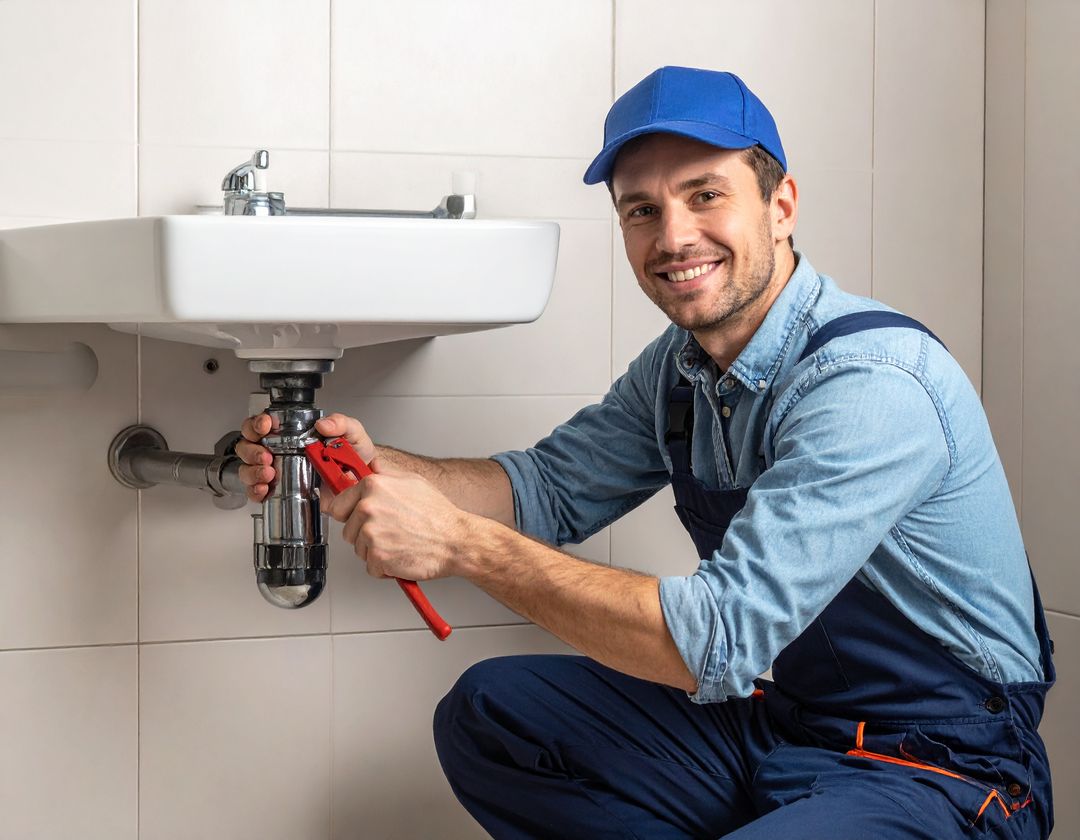


Most people think you need years of experience or trade school to understand plumbing, but that's backward. The real problem isn't lack of ability. It's learning random tasks before you understand how plumbing systems actually work. You end up memorizing steps without knowing why they matter, which makes everything harder once you're on a job site. If you're starting from zero, How to Start a Plumbing Career Without Experience is the clearest breakdown of what the path actually looks like. Beginners build foundational plumbing knowledge faster when they start with the right concepts in the right order: safety protocols first, systems logic second, then materials and code compliance. This article explains which skills matter before your first apprenticeship application, the correct learning sequence, and what actually accelerates readiness so you show up prepared instead of confused.
Entry-level plumbing employers care about three things: safety awareness, systems thinking, and terminology. Safety means understanding OSHA (the Occupational Safety and Health Administration, the federal agency that sets and enforces workplace safety standards) requirements, proper PPE use like gloves and hard hats, ladder protocols, and trench safety before you touch a pipe. Systems thinking means grasping how water distribution, sanitary drainage, and venting work together so you can follow instructions without constant clarification. Core Skills Every Plumbing Apprentice Needs to Get Hired covers what employers are actually evaluating when they interview beginners. Terminology means knowing the difference between PVC (polyvinyl chloride, used for drainage and cold water) and PEX (cross-linked polyethylene, used for flexible water supply lines), understanding what a drainage fixture unit (DFU) measures, and recognizing fittings by name so you can fetch the right part without slowing the crew down. Advanced skills like soldering copper pipes, sizing expansion tanks, or troubleshooting backflow preventers come later through paid on-the-job training. Beginners who try to learn everything upfront waste time on tasks they won't perform until months into the job. Focus on foundational knowledge that makes you trainable, reliable, and faster to onboard.
Start with safety protocols because every task on a job site requires them. You need to know how to set up a ladder correctly, recognize trench hazards, and wear proper PPE before anyone hands you a wrench. Next, learn how plumbing systems function at a high level: water comes in under pressure, waste exits through gravity-driven drainage, and venting prevents siphoning and allows airflow. Understanding this logic before diving into pipe materials or fittings prevents confusion when you encounter real installations. What Does an Apprentice Plumber Actually Do? walks through the day-to-day responsibilities you'll encounter once you're on site, which makes the learning sequence clearer. After that, study materials and methods: which pipes go where (PVC for drainage, PEX for water supply, copper for durability), how connections differ between threaded and solvent-welded joints, and why slopes and cleanouts matter in drainage systems. Learning skills out of order slows progress because you end up memorizing procedures without context. For example, studying fixture installation before understanding drainage principles means you won't know why toilets require specific venting or how trap placement affects flow.
Random YouTube tutorials teach you tasks in whatever order the algorithm serves them up, so you learn how to cut PVC before understanding why certain fittings are required by code. Others over-focus on theory by reading plumbing codes without connecting them to real-world application, which makes the material feel abstract and overwhelming. Some beginners assume they need hands-on practice with every tool before applying for jobs, but employers expect to train new hires on specific techniques using their preferred methods and equipment. The bigger issue is lack of structure. Without a clear progression from safety to systems to materials to code compliance, you waste time revisiting concepts you should have mastered earlier or skipping foundational knowledge that would make advanced topics easier. Self-taught approaches rarely solve this sequencing problem because there's no built-in logic forcing you to learn safety before attempting installations.
Most entry-level trade employers care about reliability, trainability, and work ethic above all else. They expect to train new hires on their specific methods, tools, and job site preferences. What they're evaluating when they interview beginners is whether you show up on time, follow instructions, and take the work seriously. Qualities like dependable transportation, a clean record, and a willingness to learn carry more weight than any technical skill you could demonstrate on day one. Foundational knowledge matters because it signals preparation, not because it replaces experience. A beginner who understands what venting does and why trap seals prevent sewer gas buildup will ask better questions and learn faster than someone encountering those concepts for the first time mid-task. That faster learning curve is what employers are actually buying when they hire someone without field experience. Showing up with safety awareness, systems understanding, and the right vocabulary tells an employer you're worth their training investment.
Beginners preparing for a plumbing career generally face three paths: trade school, apprenticeship, or online preparation. Trade school typically costs between $1,000 and $23,000 and takes six months to four years, requiring full-time attendance before you ever earn a paycheck. Apprenticeships through union programs or direct employer hire provide paid, on-the-job training, but most programs want applicants who already understand basic safety, terminology, and systems logic before they start. Online preparation, like the CourseCareers Plumbing Course, builds that foundational knowledge quickly and affordably so you're ready to apply for paid apprentice or helper roles without the cost and delay of trade school. The right choice depends on your situation, but trade school isn't required to start. Employers train apprentices on the job. What you need before applying is the knowledge that makes you a credible candidate: safety protocols, systems understanding, and the ability to communicate clearly about how plumbing works.
| Trade School | Apprenticeship | CourseCareers Plumbing Course | |
|---|---|---|---|
| Cost | $1,000–$23,000 | Free (paid training) | $499 |
| Time Before Earning | 6 months–4 years | Immediate | 1–3 months |
| Hands-On Practice | Yes | Yes (on the job) | No (employers train) |
| Foundational Knowledge | Yes | Varies by program | Yes |
| Credential | Diploma/Certificate | Journeyman eligibility | Certificate of completion |
Structured progression accelerates readiness by teaching concepts in the order they're used on job sites: safety first, then systems logic, then materials and code compliance. Role-aligned preparation focuses your attention on knowledge that entry-level apprentices actually apply: understanding venting methods, recognizing pipe materials by sight, and knowing which fittings connect to which systems. Clear skill standards help you measure progress by identifying what you should know before your first application versus what you'll learn through paid work. Feedback loops matter because plumbing involves understanding why certain methods exist, not just memorizing steps. For example, knowing that improper venting causes slow drainage or sewer gas buildup makes code requirements logical instead of arbitrary. What It Takes to Get Hired as a Plumbing Apprentice covers how employers evaluate candidates and what a strong application actually looks like. The CourseCareers Plumbing Course delivers these conditions by organizing lessons in the sequence apprentices encounter concepts on job sites, starting with safety and systems before moving into materials, code, fixtures, and water heaters.
The CourseCareers Plumbing Course trains beginners to become job-ready plumbing apprentices by teaching the full residential and commercial plumbing process in the correct order. You start with plumbing systems and safety covering water distribution, sanitary drainage, venting, atmospheric pressure, OSHA standards, and PPE along with ladder and trench safety. Next, you learn materials and methods including PVC, CPVC, PEX, copper, and cast-iron piping with their respective connection types like threaded, crimped, soldered, and solvent-welded joints. From there, you study plumbing code and drawings including drainage fixture units and venting methods, then cover fixture installation for toilets, showers, sinks, and appliances, followed by water heaters, rural plumbing systems, backflow prevention, and professional readiness skills. The CourseCareers Plumbing Course costs $499 or four payments of $150 every two weeks. You receive ongoing access including all future updates, the community Discord channel, affordable add-on coaching with plumbers currently working in the industry, and your certificate of completion.
The Skills Training section teaches foundational concepts before technical details so you understand why tasks are performed certain ways. Lessons and exercises progress from safety and systems logic through materials, code compliance, and fixture installation in the sequence apprentices encounter them. The structure focuses on knowledge that makes you trainable and confident before your first apprenticeship, not tasks you'll master through paid work. You learn what drainage fixture units measure and how they determine pipe sizing, why venting prevents siphoning, and which pipe materials work for hot versus cold water applications. After completing all lessons and exercises, you take a final exam that unlocks the Career Launchpad section.
After passing the final exam, you unlock the Career Launchpad section, which teaches you how to present your foundational knowledge to employers and turn applications into interviews. You learn how to optimize your resume to highlight safety awareness and systems understanding, then use proven job-search strategies focused on reaching out to local employers and building genuine connections rather than mass-applying online. The section provides guidance on turning interviews into offers, including access to affordable add-on coaching with industry professionals actively working in plumbing. The Career Launchpad concludes with career-advancement advice to help you grow beyond your first apprentice role into journeyman and licensed positions.
Most graduates complete the CourseCareers Plumbing Course in 1–3 months depending on their schedule and study commitment. Feeling job-ready depends on how consistently you study foundational concepts, how thoroughly you can explain plumbing systems in your own words during interviews, and how closely you follow the Career Launchpad guidance when reaching out to local employers. What It Takes to Get Hired as a Plumbing Apprentice lays out what employers expect from first-time applicants and how to meet that bar. Entry-level plumbing is less competitive than tech fields because demand for reliable, trainable workers consistently exceeds supply in most markets. Career timelines depend on your commitment level, local market conditions, and how closely you follow CourseCareers' proven job-search strategies. Some people secure apprentice positions within weeks of finishing the course. Others take longer because they apply inconsistently or don't present their foundational knowledge clearly when talking to employers.
This approach works for people who want to understand plumbing systems before their first apprenticeship application so they learn faster once hired. It fits hands-on problem-solvers who prefer structured learning over random YouTube tutorials and who value showing up prepared instead of clueless. You should have reliable transportation, be willing to pass a drug test, and take pride in doing solid work. Self-paced learning fits people who need flexibility but still want clear progression from one concept to the next. This path makes sense if you want to avoid the cost and time commitment of trade school while still gaining the foundational knowledge that makes employers confident in hiring you. It's less suitable for people who need in-person instruction to stay accountable or who expect hands-on practice before applying for jobs, since employers train apprentices on their specific methods and tools.
Building foundational plumbing knowledge before your first apprenticeship application gives you a real advantage because you show up understanding how systems work, what terms mean, and why safety protocols matter. That makes you faster to train and more valuable from day one. Starting salary for a plumbing apprentice is around $43,000 per year, and the career path extends into journeyman ($50k–$75k), licensed plumber ($75k–$110k), and supervisory or business-ownership roles well beyond that. At a starting salary of $43,000, graduates can earn back their $499 CourseCareers investment in about three workdays.
You can watch the free introduction course to learn what plumbing is, how to break into it without prior experience, and what the CourseCareers Plumbing Course covers.
No. Entry-level plumbing employers expect to train new hires on job-specific techniques and tools. What they value is foundational knowledge: understanding how plumbing systems work, knowing safety protocols like OSHA requirements and PPE use, and recognizing terminology so you can follow instructions without constant clarification. Prior hands-on experience helps but isn't required because apprenticeships provide paid on-the-job training.
Start with safety protocols including OSHA requirements, PPE use, and trench and ladder safety. Next, learn how water distribution, sanitary drainage, and venting systems function so you understand the logic behind installations. Then study pipe materials like PVC, CPVC, PEX, and copper along with their connection methods. Code compliance, fixture installation, and water heater systems come after you grasp foundational safety and systems thinking.
Most graduates complete the CourseCareers Plumbing Course in 1–3 months depending on their schedule and study commitment. Feeling job-ready depends on how consistently you study, how well you can explain concepts during interviews, and how closely you follow job-search strategies. Some people secure apprentice positions within weeks of finishing. Others take longer based on local market conditions and their outreach consistency.
Yes. Trade school and college degrees are not required to start a plumbing career. Apprenticeships and helper positions provide paid on-the-job training, making traditional trade school an unnecessary delay and expense for most beginners. Foundational knowledge like safety protocols, systems logic, and terminology prepares you to stand out when applying for entry-level roles, but you learn hands-on skills through paid employment.
Most employers care more about reliability and trainability than credentials. Trade school can provide foundational knowledge, but it isn't a hiring requirement. Many employers prefer applicants who are ready to learn on the job and who understand basic safety and systems concepts before their first day. Apprenticeships and helper positions are designed specifically for beginners, and foundational online preparation helps you compete for those roles without a trade school diploma.
Before applying, you should understand basic safety protocols including OSHA requirements, PPE use, and ladder and trench safety. You should be able to explain how water distribution, drainage, and venting systems work at a high level. Knowing the names and uses of common pipe materials like PVC, PEX, and copper and being familiar with terminology like DFU, trap seal, and cleanout helps you communicate clearly during interviews. Employers don't expect you to perform skilled labor on day one. They want to see that you're serious, prepared, and fast to train.
Learn concepts in the order they're used on job sites: safety first, then systems logic, then materials and code compliance. Structured progression prevents wasting time on random tutorials or memorizing tasks without understanding why they matter. Focus on knowledge that makes you trainable and confident before your first application, not advanced techniques you'll master through paid work. The CourseCareers Plumbing Course delivers this structure by organizing lessons in apprentice-ready sequence.
Self-paced learning works when the material follows a clear progression and includes exercises that reinforce concepts. It's effective for people who need flexibility but still want structure that mirrors real job site workflows. The challenge is staying consistent without external deadlines, which is why having a defined learning path, accountability tools like optional text reminders, and access to a student community helps most beginners complete their training faster.
OSHA (Occupational Safety and Health Administration): Federal agency that sets and enforces safety standards for workplaces including construction and plumbing job sites.
PPE (Personal Protective Equipment): Safety gear such as gloves, goggles, hard hats, and steel-toed boots required to protect workers from job site hazards.
DFU (Drainage Fixture Unit): A unit of measurement used in plumbing code to calculate the drainage load of fixtures and size pipes accordingly.
Venting: The system of pipes that allows air into drainage systems to prevent siphoning, maintain proper flow, and eliminate sewer gas buildup.
PVC (Polyvinyl Chloride): A rigid plastic pipe commonly used for cold water supply and drainage systems, connected using solvent welding.
CPVC (Chlorinated Polyvinyl Chloride): A plastic pipe similar to PVC but rated for hot water applications, also connected using solvent welding.
PEX (Cross-Linked Polyethylene): A flexible plastic pipe used for water supply lines, connected using crimped or expansion fittings.
Soldering: A method of joining copper pipes using heat and a metal alloy to create permanent, leak-proof connections.
Backflow Prevention: Devices and techniques used to prevent contaminated water from flowing backward into clean water supply systems.
Cleanout: An access point installed in drainage systems to allow for inspection and clearing of blockages without disassembling pipes.
Trap Seal: The water retained in a drain trap that blocks sewer gases from entering a building through fixture drains.
Bureau of Labor Statistics, Occupational Outlook Handbook: Plumbers, Pipefitters, and Steamfitters, https://www.bls.gov/ooh/construction-and-extraction/plumbers-pipefitters-and-steamfitters.htm, 2024
International Code Council, International Plumbing Code, https://www.iccsafe.org/products-and-services/i-codes/2021-i-codes/ipc/, 2021
OSHA, Construction Industry Safety and Health Standards, https://www.osha.gov/laws-regs/regulations/standardnumber/1926, 2024